
 English
 Español
 عربى
عربى

محتوى
- 1 Why the Cylinder Is the Critical Component on an NS 200 UG Engine
- 2 Pulsar NS 200 UG Cylinder Specifications
- 3 Symptoms That Tell You the NS 200 UG Cylinder Is Worn
- 4 How to Pull and Inspect the NS 200 UG Cylinder
- 5 Aluminum vs Cast Iron Cylinder for the NS 200 UG
- 6 What to Check Before Buying a Bajaj Pulsar NS 200 UG Cylinder
- 7 Maintenance That Extends the Life of Your NS 200 UG Cylinder
- 8 Frequently Asked Questions
- 8.1 What is the exact bore size of the Bajaj Pulsar NS 200 UG?
- 8.2 Can I install a bigger cylinder on the NS 200 UG for more displacement?
- 8.3 How long should an aftermarket NS 200 UG cylinder last?
- 8.4 Is the NS 200 UG cylinder compatible with other Pulsar 200 models?
- 8.5 Why does the piston keep seizing inside a new cylinder?
- 8.6 Should I replace the piston and rings together with the cylinder?
- 8.7 What is the most common cause of premature cylinder wear on the NS 200 UG?
The Bajaj Pulsar NS 200 UG works on a 199.5 cc liquid-cooled engine with a 72 mm bore and a 49 mm stroke. If you are sourcing a replacement cylinder for this motorcycle, the only safe approach is to match the original bore and stroke exactly, choose an aluminum alloy cylinder designed for liquid cooling, and verify the honing finish and roundness before installation. A generic 200 cc cylinder will not deliver reliable compression, and a mischosen material will overheat in the first 500 km. The factory configuration on the NS 200 UG gives around 24 PS from 199.5 cc, which means the cylinder walls need to handle high combustion pressure, continuous coolant flow, and a modern piston ring package without distortion or scoring.
Why the Cylinder Is the Critical Component on an NS 200 UG Engine
The cylinder block is where combustion pressure is converted into mechanical torque. It is also the primary heat-transfer path from the combustion chamber to the coolant jacket. On the Pulsar NS 200 UG, this job is more demanding than on a plain air-cooled machine because the engine runs a higher compression ratio and a liquid cooling circuit.
When a cylinder is manufactured correctly, three things happen:
- The piston ring contact surface stays round under full heat load.
- The coolant jacket removes heat at a steady rate, protecting the piston and the head gasket.
- The sleeve or plated bore maintains a smooth, low-friction surface for the ring pack.
If the cylinder distorts, the piston skirts begin to contact the wall unevenly. This causes a cold start knock, excessive oil consumption, and eventually a seized piston in the first few thousand kilometers. The NS 200 UG engine is particularly sensitive because of its 11:1 to 11.5:1 compression ratio, which raises peak cylinder pressure by roughly 15 percent compared with a 10:1 engine.
Pulsar NS 200 UG Cylinder Specifications
When you order a cylinder for the NS 200 UG, you have to match the bore, stroke, piston-to-wall clearance, and coolant routing. The table below lists the factory measurements that govern the cylinder.
| Parameter | Factory Value | Replacement Tolerance |
|---|---|---|
| Bore diameter | 72.00 mm | 72.00–72.50 mm |
| Stroke | 49.00 mm | Fixed by crankshaft |
| Displacement | 199.5 cc | Do not exceed 210 cc without porting and ECU calibration |
| Cooling type | Liquid-cooled | Cylinder must include coolant jacket routing |
| Compression ratio | 11:1 to 11.5:1 | Head gasket thickness affects final ratio |
| Cylinder material | Aluminum alloy with steel liner | High-silicon aluminum alloy is preferred |
The 72 mm bore is the single most important number. Many aftermarket cylinders that look identical are actually bored for the standard Pulsar 180 at 63.5 mm or the Pulsar 220 at 67 mm. Installing one of these on an NS 200 UG is physically impossible without a full crank, con rod, and piston swap. Always confirm the bore measurement printed on the product listing before placing an order.
Symptoms That Tell You the NS 200 UG Cylinder Is Worn
Before you pull the cylinder, check these five symptoms. They appear gradually and are easy to misread as a carburetor or ignition problem. If more than two of them show up at the same time, the cylinder and piston assembly is almost certainly out of specification.
- Hard starting and weak low-end pull. Compression drops below 10 bar on the gauge, and the engine will not fire on the first kick or push-button start.
- Blue-gray smoke after deceleration. The piston ring land is losing control of the oil film, and oil is entering the combustion chamber through the ring gap.
- Coolant level dropping without a visible leak. On a liquid-cooled engine, this often points to a cracked sleeve or a failed head gasket blowing combustion pressure into the coolant circuit.
- Cold-start piston knock. A sharp metallic sound that disappears after a minute of running indicates excessive piston-to-wall clearance.
- A compression test reading that jumps up when oil is added. Wet compression adding more than 4 bar strongly points to ring or cylinder wall wear rather than valve leakage.
A quick way to narrow down the diagnosis is to measure the bore taper. If the bore is worn by more than 0.05 mm between the top ring travel point and the bottom of the cylinder, the original block is no longer a viable candidate for ring replacement alone.
How to Pull and Inspect the NS 200 UG Cylinder
The process is straightforward if you own a torque wrench and a basic socket set, but you should read the full replacement procedure before you start. We have written a dedicated guide on how to replace a motorcycle cylinder that covers the complete sequence for a liquid-cooled engine.
Here is the short version for the NS 200 UG:
- Drain the coolant into a clean container, and disconnect the radiator hoses and thermostat bypass.
- Remove the exhaust pipe, the intake manifold, and the fuel injector wiring harness.
- Undo the head bolts in reverse order and in a diagonal pattern. On an NS 200 UG, the cylinder head torque is usually around 15 Nm, and you must not reuse old bolts.
- Lift the head off, then pull the cylinder block straight up without letting the piston fall into the crankcase.
- Clean the bore with a white cloth and inspect it with a bright light for vertical scoring lines.
- Use a dial bore gauge to measure at three depths. Record the readings, and replace the cylinder if the taper or out-of-round exceeds 0.05 mm.
After confirming the wear, check the condition of the piston rings and the piston skirt. If the bore is scored, you need to replace the cylinder, piston, rings, and all top-end gaskets. The maintenance article on how to maintain a motorcycle cylinder after maintenance explains what to do immediately after reassembly.
Aluminum vs Cast Iron Cylinder for the NS 200 UG
Many riders ask why they cannot simply fit a cast iron cylinder for a lower price. The short answer is that the NS 200 UG was designed around aluminum's thermal behavior. The table below compares the two materials in the specific context of a liquid-cooled, high-compression single cylinder.
| Property | Aluminum with Steel Liner | Cast Iron |
|---|---|---|
| Weight | Light, typically 35–40% lighter than cast iron | Heavy, adds noticeable weight to the front end |
| Heat conductivity | Excellent, roughly 3 times faster heat transfer than cast iron | Slow, requires larger cooling fins or more coolant flow |
| Bore distortion at operating temperature | Low when the liner is properly temperature treated | Higher risk in a liquid-cooled jacket |
| Compatibility with a 11.5:1 compression ratio | Yes, accepts higher peak pressure | Possible but not recommended for a high-revving engine |
| Typical lifetime with correct maintenance | 30,000–50,000 km | 30,000–45,000 km |
For an NS 200 UG, the aluminum option is the better engineering choice. It shifts heat out of the combustion chamber quickly and keeps the piston skirt temperature down, which directly reduces ring sticking and crown erosion. Cast iron is still a strong material, but it suits low-revving utility engines or air-cooled scooters better than a sporty liquid-cooled single.
What to Check Before Buying a Bajaj Pulsar NS 200 UG Cylinder
A cylinder that looks right may still be wrong if the machining is sloppy. Use this checklist when comparing suppliers, and do not settle for a part that fails any single item.
- Bore diameter and stroke match. The listing must state 72.00 mm bore and 49 mm stroke. If it only says "Pulsar NS 200 compatible," ask for the measured bore value.
- Crosshatch honing pattern. A 45-degree crosshatch helps the rings break in quickly. A smooth or mirror-like bore will not retain oil and will cause ring seizure.
- Material composition. Look for a high-silicon aluminum alloy. Silicon content of around 12% improves wear resistance and thermal stability on liquid-cooled cylinders.
- Coolant passage alignment. The cylinder block must match the original water jacket. Compare the bolt pattern and the direction of the coolant holes with the stock part before fitting.
- Piston-to-wall clearance data. The supplier should provide a recommended clearance. On a 72 mm bore, a typical running clearance is 0.01–0.03 mm measured at the piston skirt.
At the same time, you want a manufacturer that actually machines the bore and checks the roundness on a precision fixture. This kind of capability is visible in the final product, not in a catalog photo. For the NS 200 UG, a properly made aluminum cylinder assembly will include the cylinder block, a matching piston, ring set, and all required gaskets.
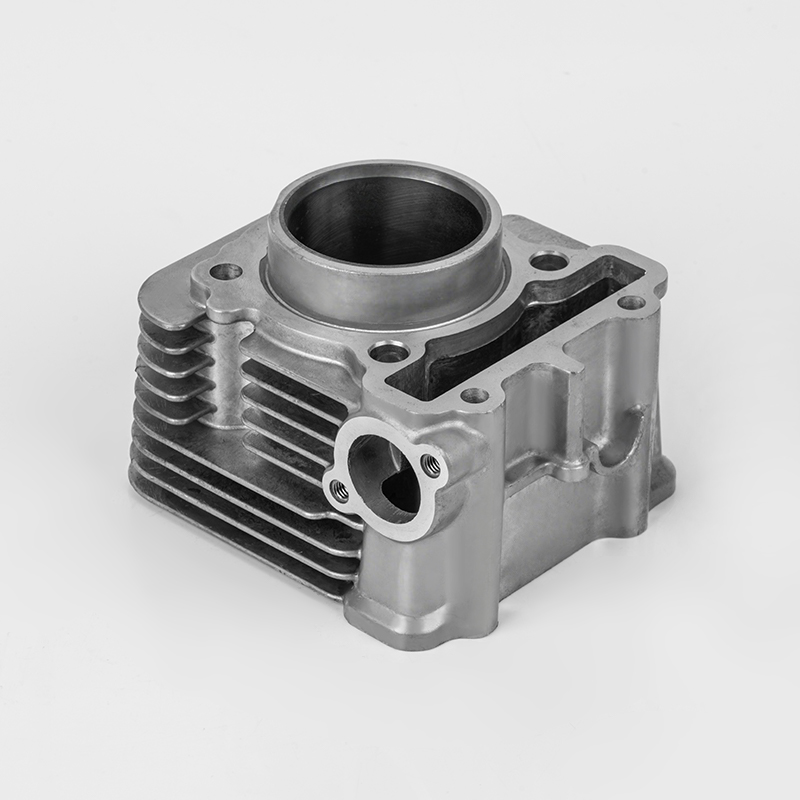
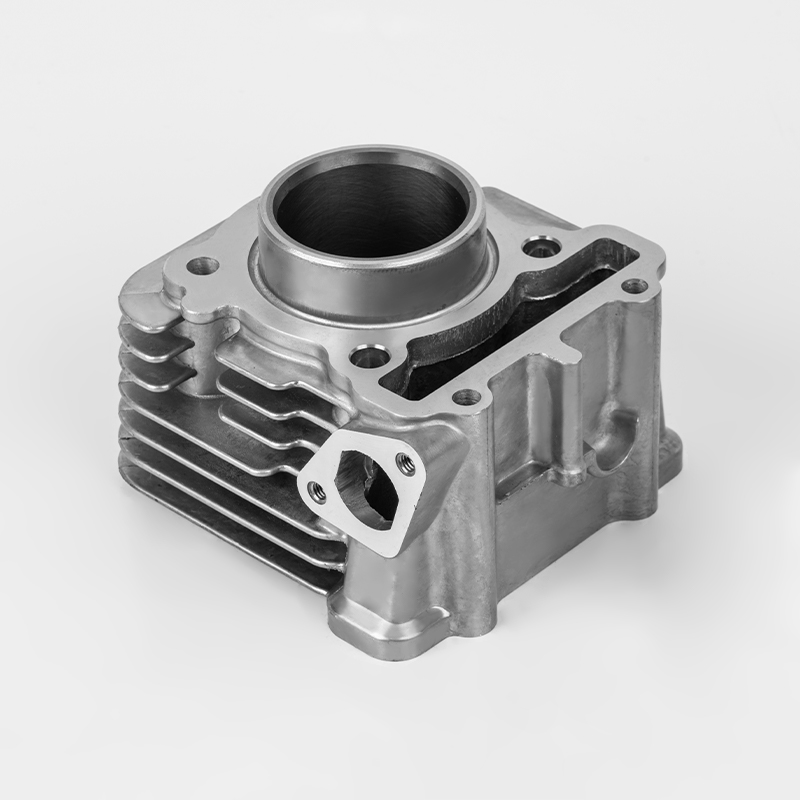
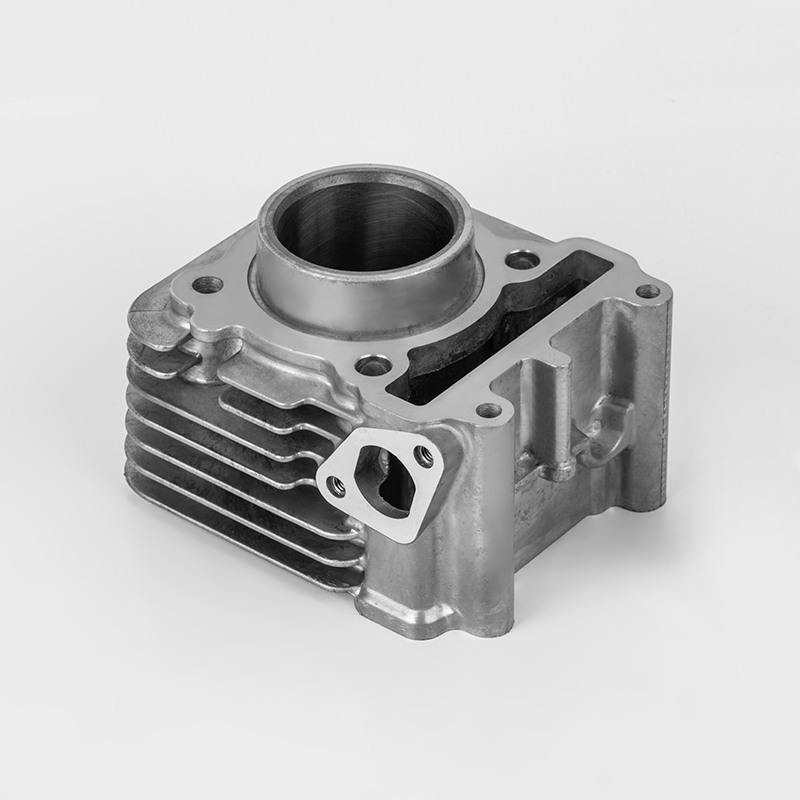
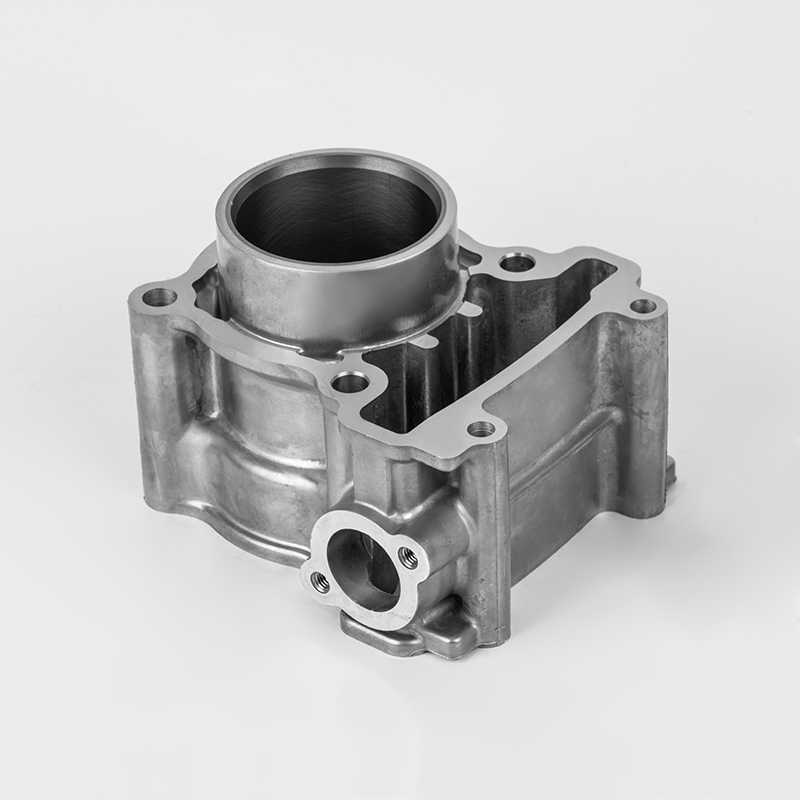
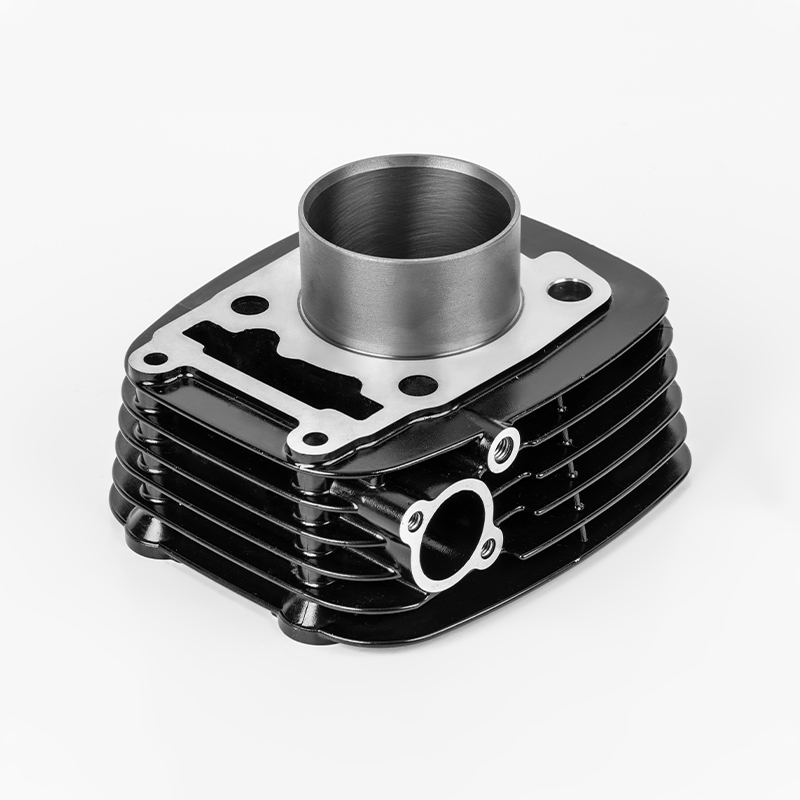 Pulsar 180/200 Aluminum Alloy Cylinder Kit with Piston and GasketsThis cylinder kit is machined from aluminum alloy for efficient heat dissipation and lighter weight, improving handling. It fits Pulsar 180/200 and includes cylinder block, piston, rings, and gaskets, suitable for high-load or track use.View Product →
You can also review our general motorcycle cylinder buyer knowledge guide to understand how bore measurements and material choices are described in the market before you commit to a purchase.
Maintenance That Extends the Life of Your NS 200 UG Cylinder
A correctly installed cylinder will still fail early if you skip the break-in. Follow these intervals and habits, and you will get the full expected life from the top end.
First 500 km break-in
Do not hold a constant speed for a long time. Vary the throttle between 30 percent and 60 percent, and let the engine decelerate frequently so the piston rings seal against the cylinder wall. Use a semi-synthetic 10W-40 oil for the first two oil changes.
After break-in
- Change the oil every 3,000–4,000 km with a 10W-40 or 10W-50 oil. On a liquid-cooled engine, the oil film protects the piston rings, so a high-quality synthetic or semi-synthetic product is strongly recommended.
- Check the coolant level every 500 km at the sight glass. Top up with the same ethylene-glycol mixture the manual specifies, and replace the coolant every two years.
- Clean the air filter every 5,000 km. A clogged filter leans the air-fuel mixture and raises the combustion temperature, which accelerates bore wear.
- Use a torque wrench to retorque the cylinder head bolts after the first 500 km and again after the first 1,500 km. Head gasket settling is a common reason for early compression loss on an NS 200 UG.
Frequently Asked Questions
What is the exact bore size of the Bajaj Pulsar NS 200 UG?
The factory bore is 72.00 mm with a 49.00 mm stroke. Aftermarket cylinders are usually sold in 72.00 mm standard bore or 72.10–72.50 mm oversize versions. If you order a standard-bore cylinder, match the piston diameter to the actual cylinder measurement.
Can I install a bigger cylinder on the NS 200 UG for more displacement?
Yes, up to roughly 210 cc with a 73 mm bore, but the piston must be designed for the slightly larger bore, and the fuel injection system has to be remapped. Running a larger bore without ECU recalibration will cause a lean condition and rapid bore wear.
How long should an aftermarket NS 200 UG cylinder last?
With proper break-in, quality oil, and regular coolant maintenance, a correctly machined aluminum cylinder with a steel liner typically lasts 30,000 to 50,000 km. If you pull the cylinder and see vertical scoring, replace the top end as a set.
Is the NS 200 UG cylinder compatible with other Pulsar 200 models?
No. The Pulsar 180 uses a 63.5 mm bore, and the older Pulsar 220 uses a 67 mm bore. They are not interchangeable. An NS 200 UG cylinder will only fit an engine that shares the exact 72 mm bore and the same coolant jacket layout.
Why does the piston keep seizing inside a new cylinder?
The most common cause is an insufficient piston-to-wall clearance. On a 72 mm bore, the skirt clearance should be around 0.01–0.03 mm, depending on the piston alloy used. A second common cause is a ring gap that is too tight, which collapses when the piston expands.
Should I replace the piston and rings together with the cylinder?
Yes. Always replace the piston, rings, and all top-end gaskets at the same time as the cylinder. Old rings will have a matching wear pattern with the old bore and will not seat properly in a new cylinder, which leads to oil consumption from day one.
What is the most common cause of premature cylinder wear on the NS 200 UG?
Skipping the break-in period is the top cause. The second is running a low-grade oil in a high-compression, liquid-cooled engine. The NS 200 UG needs a semi-synthetic or full-synthetic oil to protect the cylinder wall at cold start and under sustained high temperature.
The right Bajaj Pulsar NS 200 UG cylinder is not a random 200 cc aftermarket part. It must be 72 mm in bore, built from a high-silicon aluminum alloy, and finish-honed with a consistent crosshatch pattern. If the old cylinder shows scoring, more than 0.05 mm of taper, or heat discoloration, do not try to reuse it. Replace the cylinder, piston, rings, and gaskets as a complete top-end kit, follow the break-in procedure, and use the correct coolant mixture. A well-chosen and properly assembled cylinder will give you reliable compression and a smooth-running engine for tens of thousands of kilometers.